The Marine Strips of Teno-Rasca (Tenerife) and Mogán (Gran Canaria), recognized for their exceptional ecological richness, are functioning as marine litter accumulation zones. This is the conclusion of a study conducted by researchers from the University Institute of Sustainable Aquaculture and Marine Ecosystems (ECOAQUA) at the ULPGC, in collaboration with the ADS Biodiversidad Association.
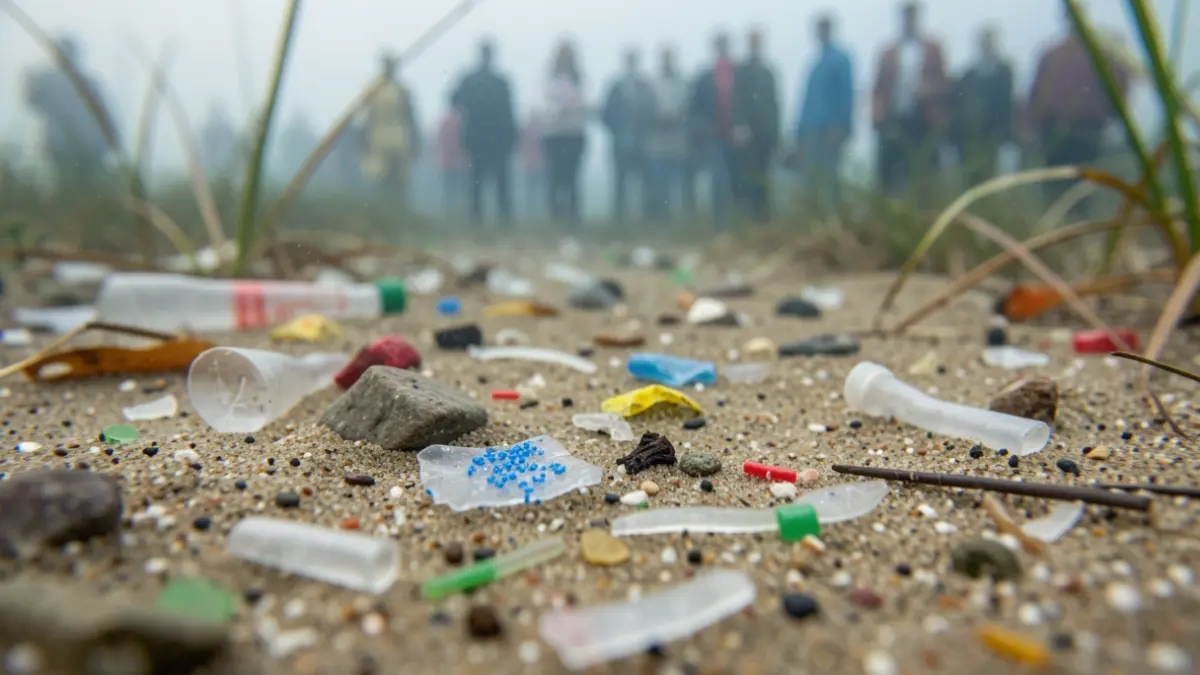
The analysis of floating marine debris, macroplastics, and microplastics in these two reserves has determined that Teno-Rasca exhibits significantly higher concentrations of microplastics and small floating debris than Mogán, although the latter area also registers a substantial presence of waste. The researchers observed that these accumulations increase in September and October, coinciding with the "Calmas" period, characterized by light winds or their absence, which favors the stagnation of debris.
The study also revealed a direct relationship between the presence of large and small debris, suggesting that both are concentrated by the same transport and accumulation processes. More than 90% of the analyzed debris consisted of plastics, primarily polyethylene and polypropylene.
This research provides crucial information for identifying priority zones where waste accumulates and for assessing the vulnerability of ecosystems. Researcher Alicia Herrera emphasized the importance of determining these zones and periods of greater accumulation, stating that it "highlights the critical moments when marine organisms are most exposed to litter and allows us to mitigate these effects, for example by carrying out cleaning campaigns or turtle rescue operations in those specific areas and periods."
The Teno-Rasca Marine Strip has been a Special Conservation Area since 2011 and hosts approximately 358 species of fish, as well as resident populations of various cetaceans and turtles. The Mogán Marine Strip, also an SCA since the same date, boasts considerable diversity of macroinvertebrates, seahorses, parrotfish, and salemas, and serves as a feeding and resting point for cetaceans and turtles.
The results of this work have been published in the journal Regional Studies in Marine Science and are authored by Alicia Herrera, Alejandro Usategui, Ana Liria Loza, Borja Aguiar, May Gómez, Rodrigo Almeda, Alberto Navarro, Marta Sampalo, and Verónica González. The research was funded by the OceanLit project.