The AGALDAT project (Sustainable Digital Transformation of the Banana Agricultural Sector in Gáldar) has successfully obtained a grant of 3.2 million euros. This initiative is co-financed by the European Regional Development Fund (FEDER) and the public entity Red.es, as part of the RedCyTI (Smart Economy) program.
This municipal project seeks to lead the modernization of the local primary sector by introducing data-intensive technologies. These innovations are expected to achieve an estimated water saving of between 40% and 60% in the irrigation of bananas, a strategic crop for the region, thereby improving production costs and international market competitiveness.
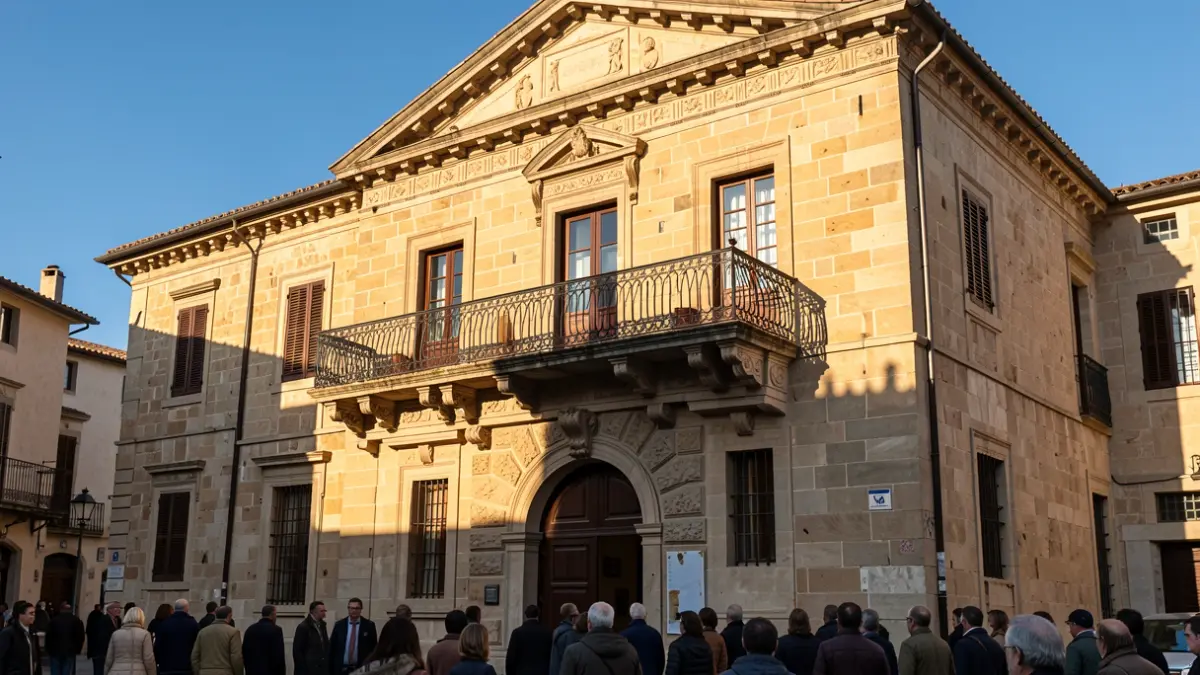
The official presentation, held in the Sala del Sábor of the Casas Consistoriales, was attended by the mayor, Teodoro Sosa, and the first deputy mayor, Julio Mateo Castillo. Sosa Monzón emphasized that the funding has been directed towards the agricultural sector, viewing it as a model for the city and an investment for the future.
First Deputy Mayor Julio Mateo Castillo highlighted the importance of the banana as Gran Canaria's main produce and the necessity to act given the international context and the uncertainty surrounding the CAP (Common Agricultural Policy). He recalled the disappearance of other crops like flowers and tomatoes, noting that the primary sector helped Gáldar maintain an ERTE (temporary employment regulation file) level of 50% during the pandemic.
AGALDAT is designed to enhance the resilience and profitability of the banana sector, a key economic pillar for Gáldar, which is significantly impacted by water and energy costs, as well as climate variability. The project will establish a large Central Data and Artificial Intelligence Platform to synchronize crop water demand with irrigation frequency, and to optimize the production and storage of water from desalination plants.
The implementation phase will directly involve eight pilot banana farms in the municipality, selected to represent various sizes and altitudes. These farms belong to two major banana agricultural cooperatives in Northern Gran Canaria: Llanos de Sardina and Costa Caleta. An extensive network of soil moisture sensors, weather stations, and plant identification systems will be deployed on these farms.
The data collected will feed an innovative «digital twin». This technology will enable a shift from a traditional, reactive irrigation model to a predictive one, allowing the system to anticipate the plant's exact water needs. This will optimize water supply, prevent inefficiencies, and significantly reduce the high energy costs associated with desalination and water pumping.
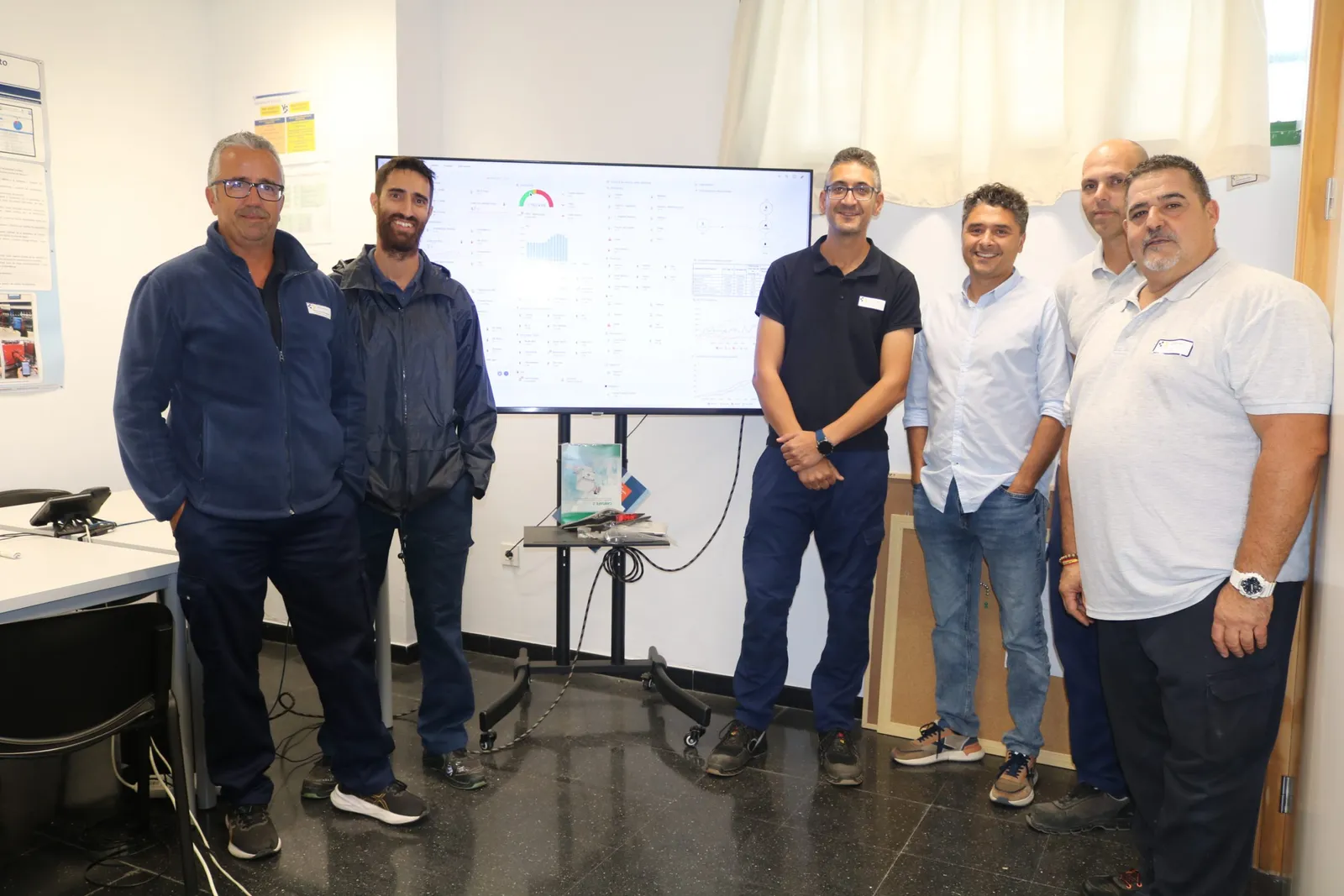
The project is characterized by its collaborative approach, with participation from public institutions and the agricultural sector. The presentation event also symbolized the union of public institutions and the agricultural community, featuring contributions from Daniel Godoy (President of the Llanos de Sardina Agricultural Cooperative), Laura Santiago (Executive Director of Grupo FSM, representing Costa Caleta), Alejandro Peñafiel (Manager of the Northern Gran Canaria Mancomunidad), José Antonio Carta González (Professor at the ULPGC), Mario Alberto Pérez Núñez (Project Manager at Agrotech Canarias Cluster), and Néstor Santiago (CEO of Fibras Naturales Canarias).
“"Water represents approximately 30% of the cost of producing a kilo of bananas. If the project successfully optimizes this resource, not only farmers will benefit, but also consumers, as we will be able to lower the final price of the product in the shopping basket."
The AGALDAT project also involves direct participation from irrigation communities, the Insular Water Council of Gran Canaria, the Agricultural Extension Agency of the Cabildo of Gran Canaria, the University of Las Palmas de Gran Canaria (ULPGC), and local companies involved in the integrated water cycle. This consolidates an innovation ecosystem that will position Gáldar as a national benchmark in smart and sustainable agriculture.