During a meeting with citizens, the 4.3 million euros in public incentives were highlighted, directly benefiting 370 students, 201 businesses and self-employed individuals, and 361 applicants for health aid. Additionally, 30 entities and associations in the municipality have received institutional support.
“"The investment effort has a direct impact on families, the productive fabric, and the strengthening of public services."
In terms of infrastructure, Fdcan resources have been allocated to investments aimed at promoting social employment and renewing the service vehicle fleet. Actions have also been carried out for the replacement of containers, the execution of garden projects, and the improvement of street lighting in the municipal center of San Sebastián de La Gomera.
Strategic projects currently underway include road works to improve access to the Hospital from the Port, the construction of the new water reservoir in Las Galanas, and the track being built in El Molinito, all aimed at strengthening connectivity and basic services in the municipality.
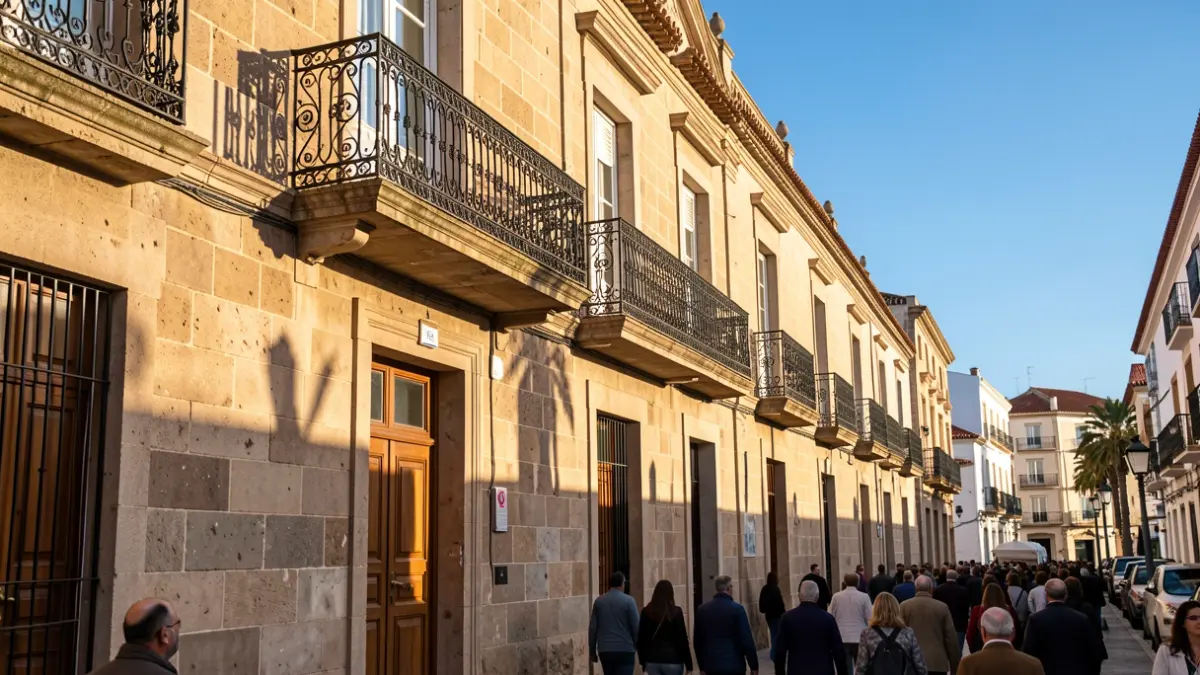
For her part, the mayor of San Sebastián de La Gomera emphasized the importance of citizen participation and active listening to residents, which has guided municipal policy. Significant efforts have been made to increase the quality of public services, with improvements in the sanitation network, cleaning, and drinking water supply.
Furthermore, rehabilitation and repair works have been carried out on infrastructures such as squares, hermitages, and local roads, including the construction of over 240 new parking spaces. An investment of approximately 1,000,000 euros has been allocated to the beautification of historical spaces, recreational areas, and green zones in all neighborhoods and the center of San Sebastián.
The budget of the San Sebastián de La Gomera City Council for 2026, close to 17 million euros, aims to implement social policies that directly benefit citizens, protecting their rights and social well-being. These policies will impact over 270 students and their families, 118 people with non-contributory pensions, and more than 50 sports, cultural, and business entities, among others.