The island institution, together with the Insular Water Council (Ciagc), Red Eléctrica de España (Redeia), and the Salto de Chira UTE, presented a balance of the implemented measures to local community representatives. These actions were agreed upon in a citizen assembly on April 9, in response to the damage caused by the storm and concerns related to the construction of the Salto de Chira hydroelectric plant.
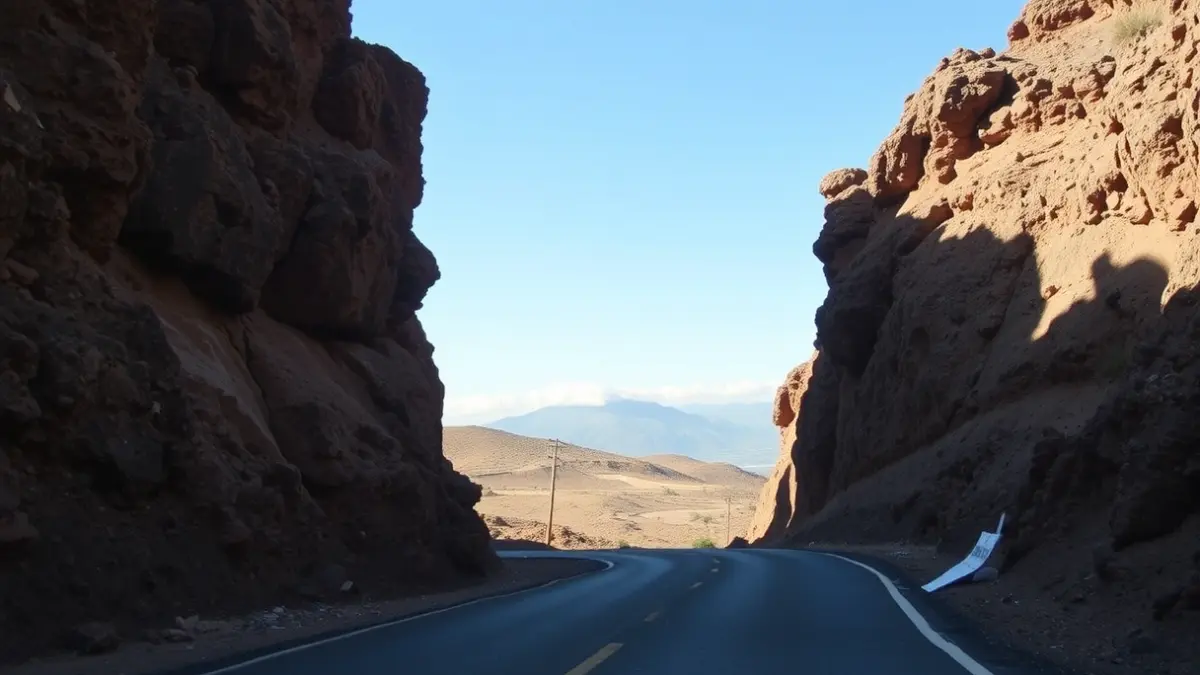
Among the completed actions are the reopening of the GC-505 road, which runs through the ravine, the repair of access roads to various hamlets, the removal of excess material, and the clearing of reeds accumulated by floods. Additionally, the road surface is being raised at points where it crosses the riverbed, and bridge openings are being replaced with larger ones to facilitate future drainage.
However, two concrete pours remain pending at the access to Huesa Bermeja, one to repair a section of the road damaged by the rupture of the Canal de la Lumbre. Solutions are also being sought for two recurring resident complaints, which predate the storm: dust generated by passing trucks and the speed of construction vehicles. To mitigate the former, efforts are underway to increase sweeping actions and implement a preventive cleaning crew for the worst sections. For speed control, Redeia is finalizing the implementation of a monitoring system.