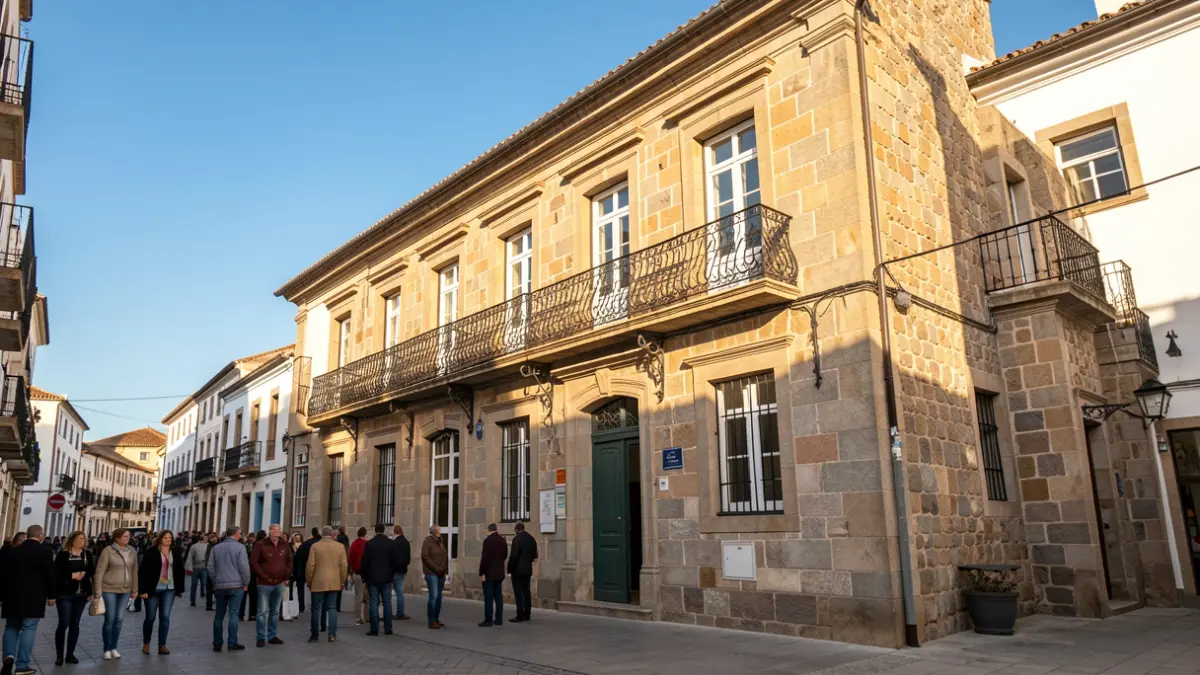
The San Bartolomé de Tirajana City Council has contracted a technical assistance service for 15,400 euros to draft the project for the adaptation and improvement of the Local Police station. This action aims to meet the requirements set by Labor Inspection after an inspection of the facilities. The technical action plan, due in three months, will include waterproofing, space redistribution, facade repairs, and improvements to the police armory. The total estimated investment for these works amounts to 245,000 euros.
Meanwhile, two health and safety prevention delegates, representing STAP and CSIF, have issued an alert stating that the deadline to rectify the deficiencies identified by Labor Inspection expires this Wednesday, June 24. They have requested the mayor, Marco Aurelio Pérez, to urgently convene the City Council's Health and Safety Committee, a body that, they claim, has not yet been established despite the administration requesting the appointment of union representatives over three months ago.
Among the deficiencies noted by Labor Inspection and the Prevention Service are issues with changing rooms and showers, problems with the police armory, the lack of an approved safe zone for weapon unloading, incidents in the cleaning of patrol vehicles, and cabling in walkways. These shortcomings directly impact agent safety and compliance with labor risk prevention regulations.
The prevention delegates have expressed concern following a recent visit to the police facilities, indicating that they have not been able to confirm the effective implementation of corrective measures to resolve the main deficiencies. Consequently, local police officers are forced to change in the restroom area due to the slippery condition of the changing room floors, posing a fall risk.
They denounce a lack of prioritization, information, and transparency.