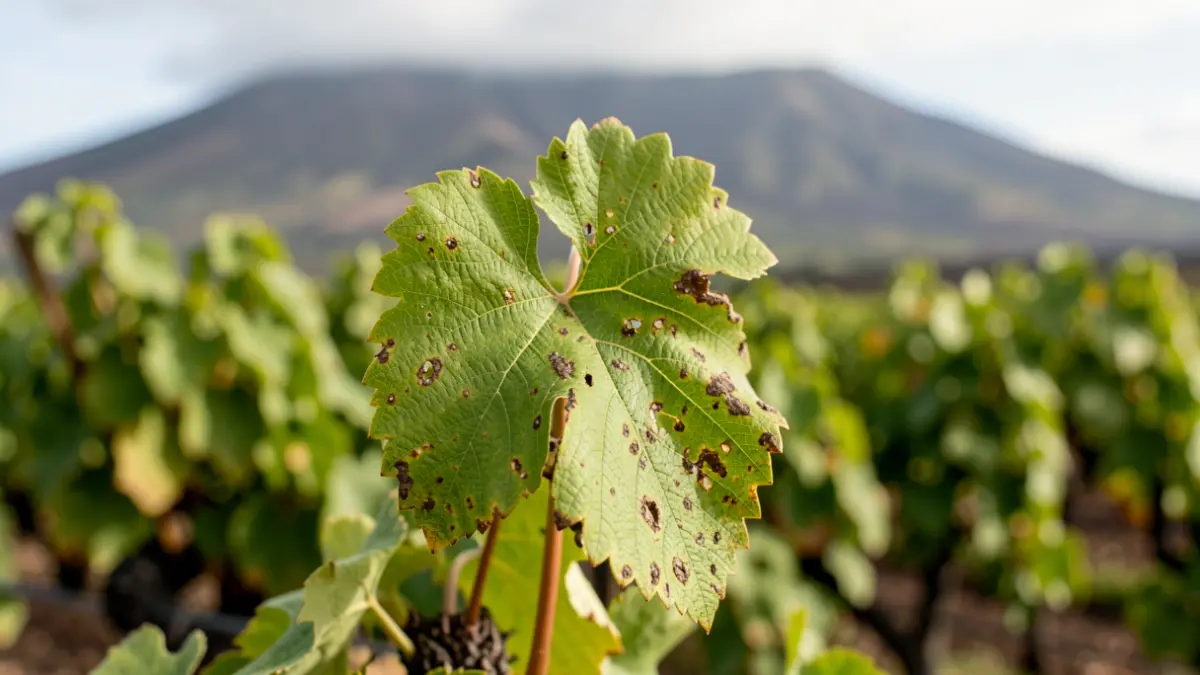
The Canary Islands Department of Agriculture, Livestock, Fisheries, and Food Sovereignty has finalized its 2026 vine phylloxera prospecting campaign, conducting a total of 4,435 inspections. These included 3,536 reviews of above-ground vine parts and 899 soil samples throughout the Archipelago, representing a 21% and 27% increase, respectively, over initial forecasts.
The work, developed in accordance with the Ministry's Contingency Plan and EFSA guidelines, has resulted in the detection of four new positive cases. All were found in abandoned plots within the so-called 'ground zero' area on the island of Tenerife, specifically within the scope of the Tacoronte-Acentejo Protected Designation of Origin.
The regional minister, Narvay Quintero, highlighted the effectiveness of the work carried out by the Regional Executive in collaboration with the Regulatory Councils of the Canary Islands Wine Protected Designations of Origin and the Island Councils (Cabildos), which has prevented the pest from spreading to other areas.
As a result of these findings, the Department has approved an amendment to the Order of August 20, 2025. This order declares the fight against phylloxera a public utility and establishes phytosanitary measures. The aim is to adapt the action strategy to the pest's evolution, by relaxing some measures while reinforcing surveillance in the 'demarcated zone'.
The changes also redefine the demarcated zone: an infested area of 50 meters around each positive case (down from 500 previously), a special surveillance zone up to 500 meters, and a buffer zone of two kilometers. Surveillance activities are intensified with prospecting, visual inspections, and sample collection, along with new eradication and prevention measures like specific phytosanitary treatments and hygiene protocols.
The resolution also eases restrictions on the movement of fresh grapes and plant material in pest-free territories and allows their circulation between unaffected islands and within Tenerife outside the demarcated zone, while maintaining limitations in areas with a risk of dispersion. The minister emphasized that these measures align with the current phytosanitary situation and will allow the upcoming harvest to proceed normally.
Quintero stated that the Canary Islands are in the eradication phase, which could make the Archipelago the first European region to eradicate this pest. Surveillance will continue with monitoring activities and intensified prospecting in the demarcated zone of Tenerife.
Enhanced surveillance will allow for ongoing analysis of the phytosanitary situation, verification of adopted measures' effectiveness, and prevention of phylloxera's potential spread to new vineyard areas. The minister thanked the collaboration of winegrowers, wineries, regulatory councils, island councils, and the entire Canarian wine sector, which is crucial for protecting one of the Canary Islands' most unique agricultural heritages and preserving the genetic and productive richness of its vineyards.
Of the inspections conducted this year, 1,902 were carried out in Tenerife, the only island with phylloxera presence. Lanzarote saw 1,373 inspections; La Palma, 656; El Hierro, 148; Gran Canaria, 147; La Gomera, 132; and Fuerteventura, 77. To date, a total of 12,361 prospecting activities have been completed.
These actions align with the Contingency Plan for Daktulosphaira vitifoliae from the Ministry of Agriculture, Fisheries and Food (MAPA) and follow the general guidelines of the European Food Safety Authority (EFSA) for plant pest prospecting. The sampling program uses a statistically sound, risk-based methodology with the RiPEST tool.
Fieldwork was executed by the public company Gestión del Medio Rural de Canarias (GMR Canarias), responsible for the inspection, sample collection, and phytosanitary monitoring outlined in the annual plan.
Surveillance activities were conducted in both producing vineyards and abandoned plots across the Archipelago. The latter received special attention, as most detected outbreaks have been found in these areas, considered priorities within the risk-based surveillance strategy.
The Canary Islands thus maintain a permanent phytosanitary surveillance system against phylloxera, based on scientific criteria, risk analysis, and early detection, as an essential tool for protecting the wine sector and conserving Canarian vineyards, concluded the regional minister.