Santa Cruz de Tenerife has cemented its position as a cultural landmark in the Canary Islands, hosting both permanent sculptures by the acclaimed artist Jaume Plensa and a temporary exhibition that delves into his creative universe. The city offers a comprehensive artistic experience, blending public art with an introspective display.
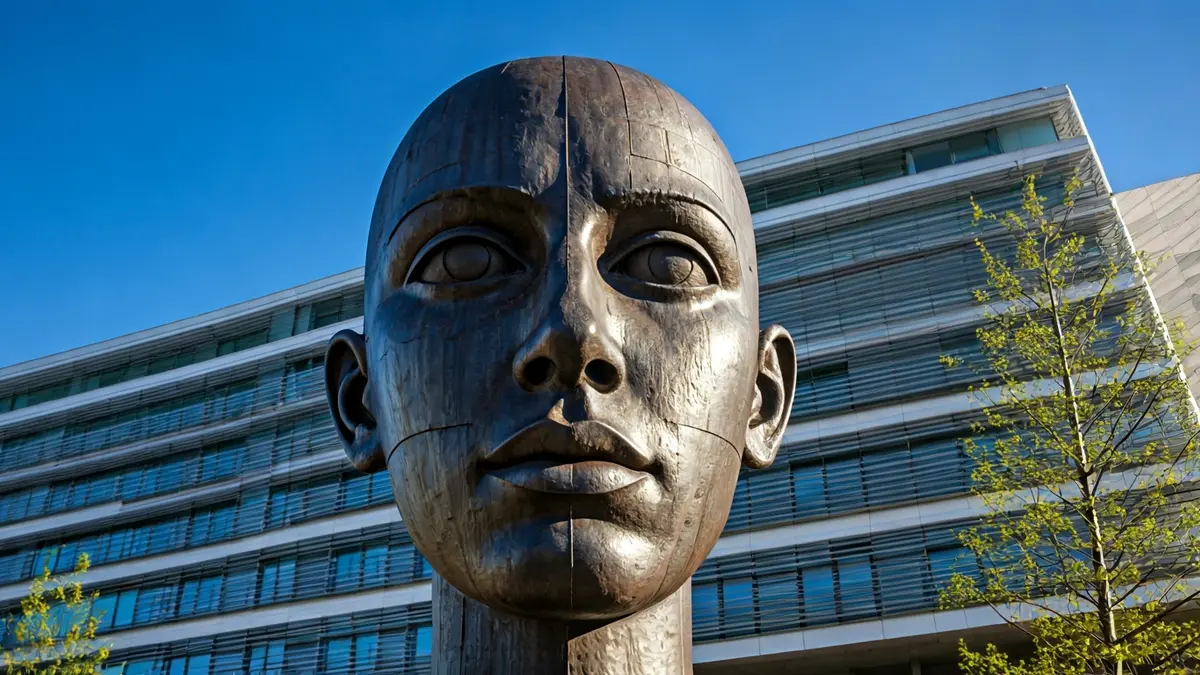
Among the most prominent public pieces is Islas, located in García Sanabria Park. This work, a constellation of letters and names, interacts with the natural environment, providing a sensory experience that transforms with light and movement. A short distance away, outside the Auditorio de Tenerife, stands Carla, an imposing cast-iron head that has become a contemporary symbol of the city, inviting contemplation and silence.
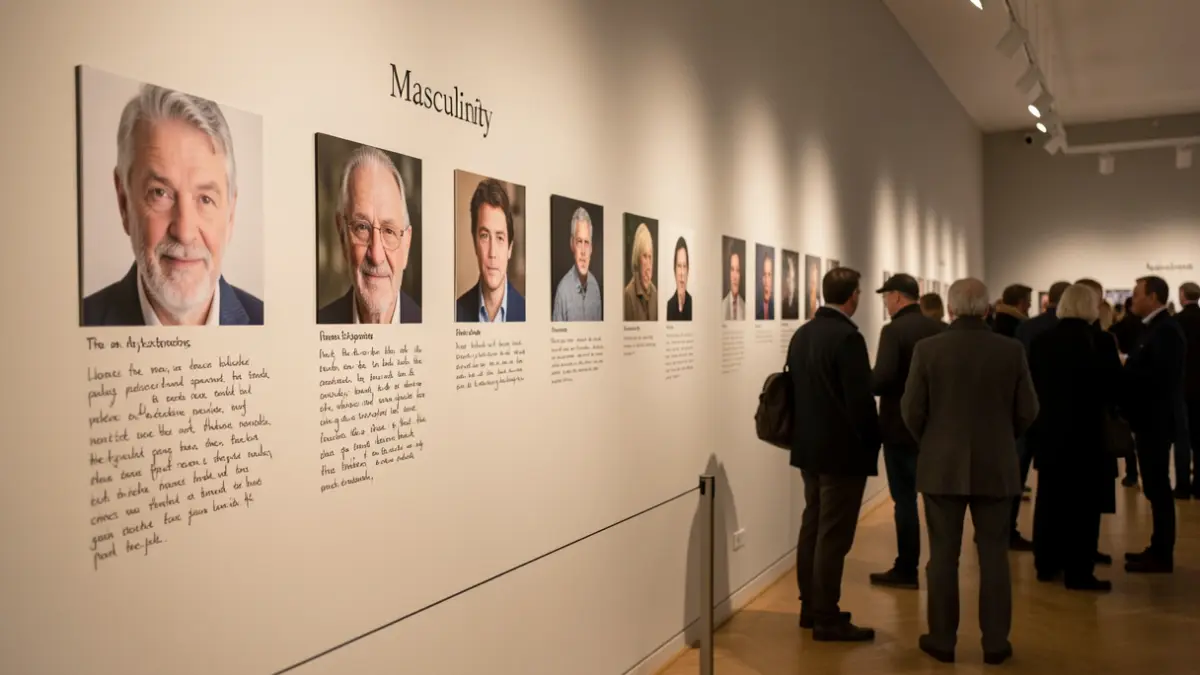
Complementing these outdoor installations, the CajaCanarias Cultural Space hosts the exhibition Shadows and Poems. This free-entry exhibition offers a more intimate look into Plensa's creative process, bringing together sculptures, drawings, and engravings that explore themes such as identity, language, and the body. The exhibition will be open until June 13, 2026, from Tuesday to Friday from 10:00 to 14:00 and 17:00 to 20:00, and on Saturdays from 10:00 to 14:00.
This cultural initiative underscores Santa Cruz's commitment to contemporary art, providing residents and visitors with an opportunity to connect with the work of one of the most influential international artists, thereby strengthening the city's cultural identity.