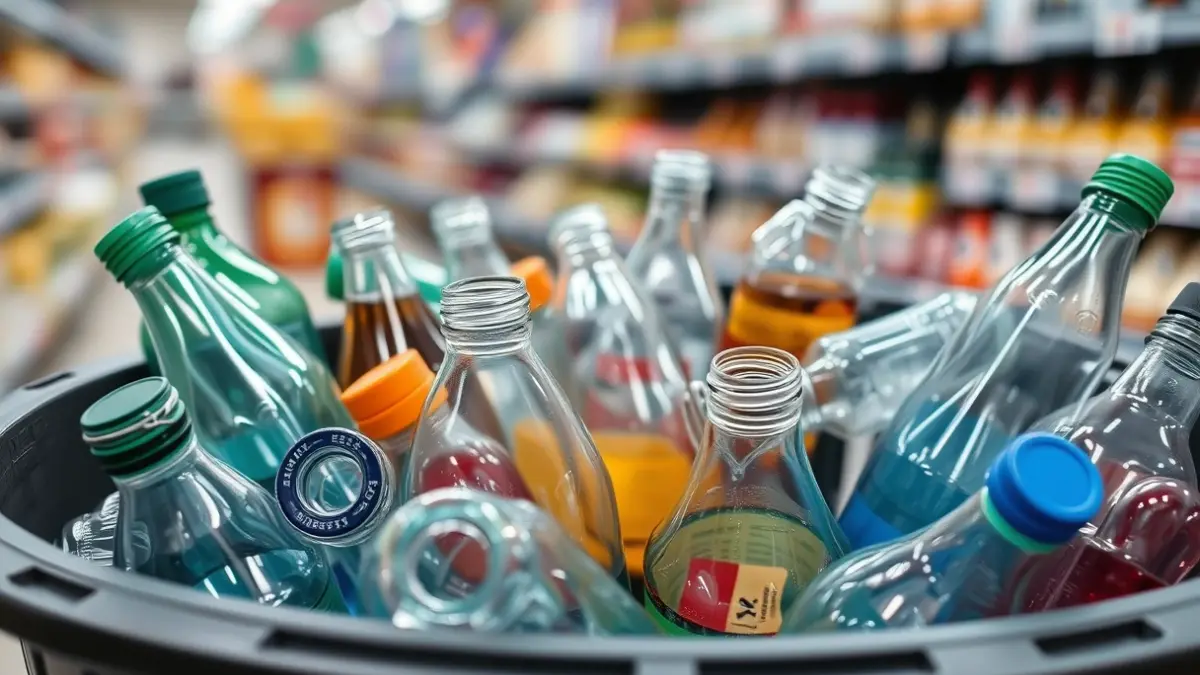
This model, which previously operated in the country decades ago, required consumers to return empty containers to stores to recover part of their cost. However, its past failure was attributed to high operational costs for retailers, a lack of adequate technological infrastructure, and consumer reluctance to carry containers back to stores.
The reintroduction of this system is being considered due to Spain's failure to meet European packaging collection targets, as only 40% of single-use plastic bottles are currently recovered, well below the 70% mandated by the Waste Law. The measure would shift collection responsibility to small businesses, which would need to install return machines at an estimated cost of between three thousand and twenty thousand euros per unit.
“"As always happens when the public sector fails, the solution is to pass the buck to the private sector. And, incidentally, the costs. And if a little more is collected along the way without it being noticed, then all the better."
Experts warn that this return could be costly, slow, and logistically complex, especially in a country with thousands of small municipalities. Furthermore, it is anticipated that the cost of these machines and associated management will be passed on to the final price of beverages, making the product more expensive for consumers. This situation adds to other recent measures, such as the doubling of waste collection fees, which also impact the economy of businesses and citizens.