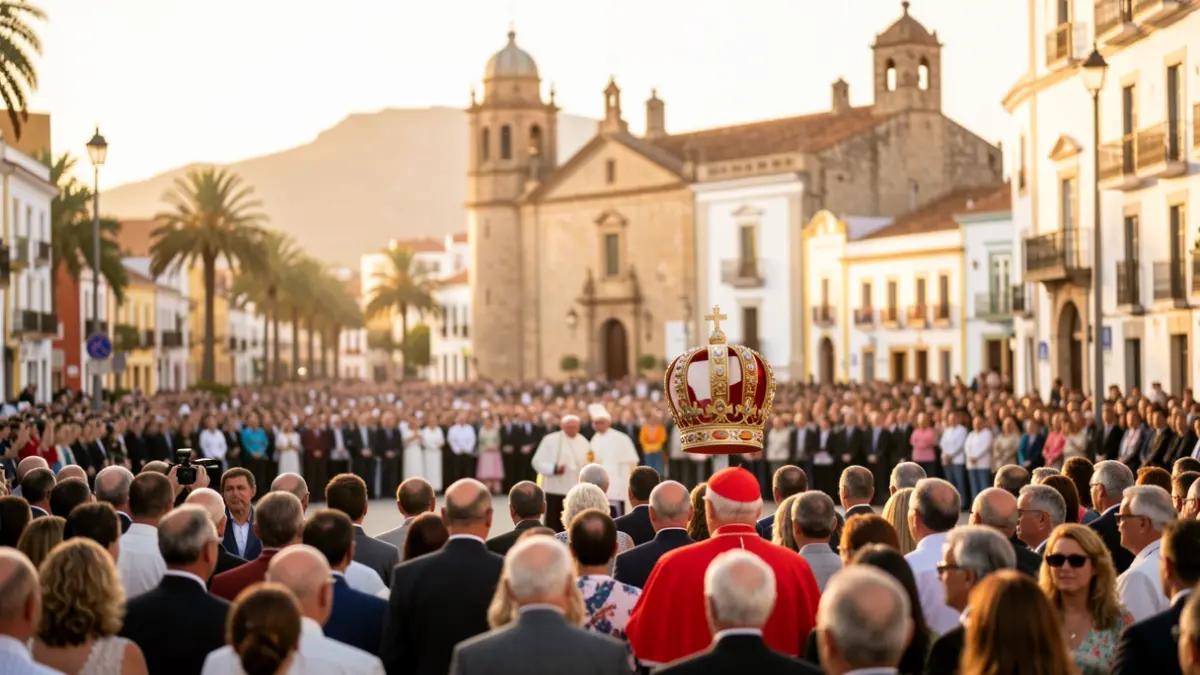
The City Council of Las Palmas de Gran Canaria has announced the suspension of all non-essential municipal activities and services on June 11th, coinciding with the visit of Pope Leo XIV. This measure aims to optimize mobility, enhance security, and ensure the success of an event that will place the city at the center of national and international attention.
In close collaboration with the Diocese of the Canary Islands, the Ministry of the Interior, the Cabildo of Gran Canaria, the Provincial Traffic Headquarters, the National Police, the Civil Guard, and the Canary Islands Police, a comprehensive security, mobility, and emergency plan has been designed. This operation, which will become visible from June 8th with the activation of the municipal alert status, involves the Local Police, the Fire Extinction and Rescue Service, Civil Protection, the Technical Unit for Security and Emergencies (UTSE), as well as various municipal departments such as mobility, public transport, urban hygiene, and roads and works.
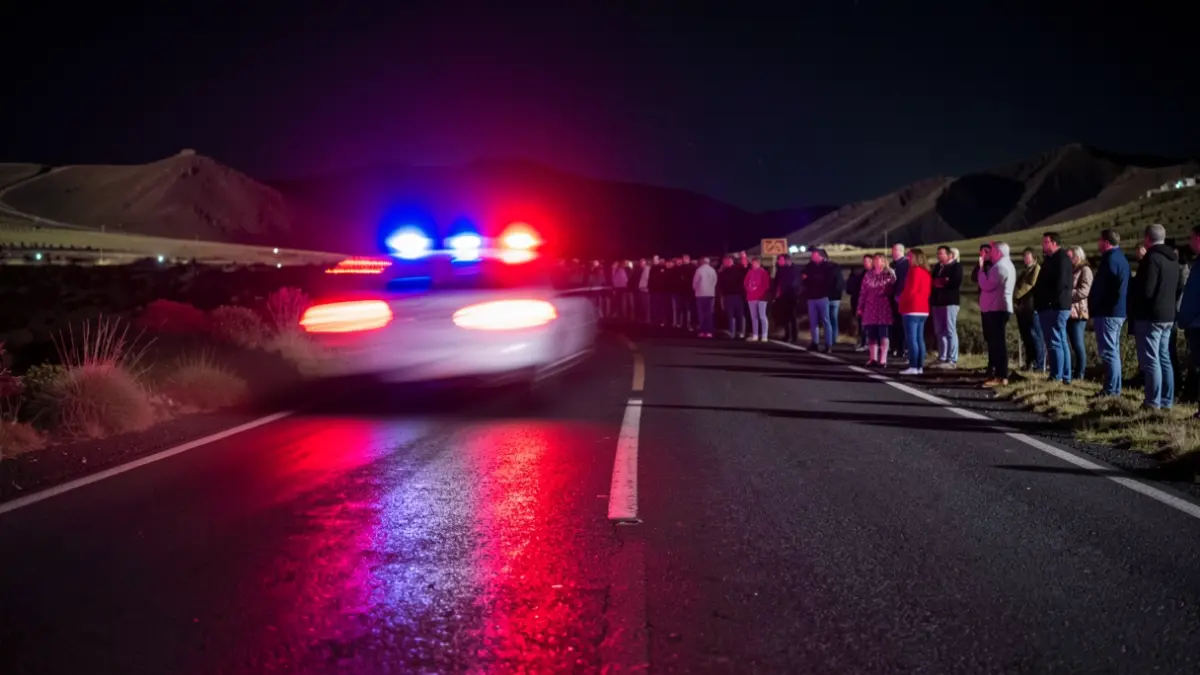
The measures include signage and the implementation of security protocols starting June 8th, the evacuation of vehicles and pedestrians from event areas from the morning of June 10th, and more significant restrictions on June 11th. These restrictions will remain in the historic center until Leo XIV departs the city on the morning of June 12th. Normalcy is expected to resume by Friday midday.
The mayor, Carolina Darias, announced that the City Council will promote teleworking among its staff and maintain only essential services during the papal visit, described as one of the most significant events in the city's recent history.
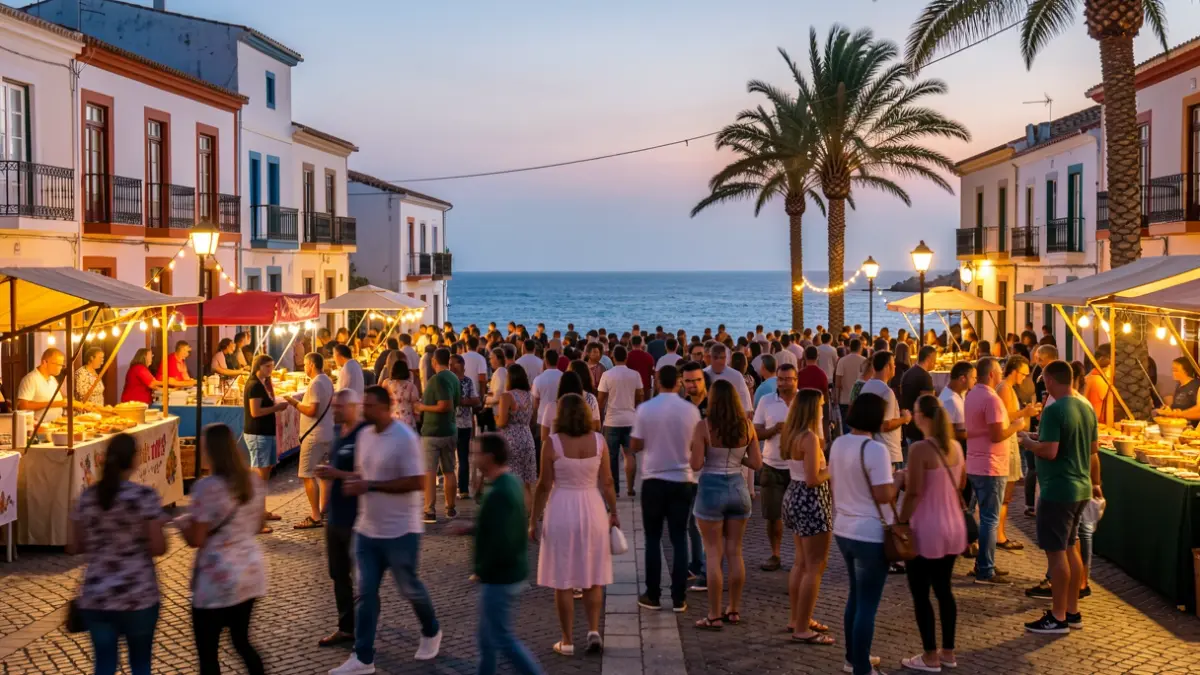
The Director General of Security and Emergencies, Rosa Rodríguez, detailed that the visit will take place across four locations. The first will be Stagno Square for an institutional welcome ceremony, followed by an event with the Canary Islands Church at Santa Ana Square, attended by approximately 1,600 invited guests. The papal motorcade through Vegueta will allow public participation, with traffic restrictions and access controls in place.
The Councilor for Security highlighted the dual objective of the operation: to ensure the safety and coexistence of the thousands of attendees and to maintain the functionality of essential services for the rest of the city. For the fourth location, the Gran Canaria Stadium in the Siete Palmas neighborhood, where a large-scale Eucharist will be held, the use of public transport is recommended, which will feature reinforced services and special shuttles.
The City Council will provide progressive updates on traffic closures and mobility restrictions through its official channels, appealing to citizens' civic responsibility. The auxiliary bishop of the Diocese of the Canary Islands, Cristóbal Déniz, emphasized the historical importance of the event for the Bishopric and encouraged public cooperation.
Carolina Darias stressed the global impact of the event, aiming to project an image of a civic, responsible, welcoming, and committed citizenry, showcasing Las Palmas de Gran Canaria as 'a city for everyone'.