The Government of the Canary Islands, through the Department of Territorial Policy, Territorial Cohesion, and Water, and the State Meteorological Agency (AEMET) have held a working meeting to enhance institutional coordination and develop advanced tools for emergency management in the Archipelago.
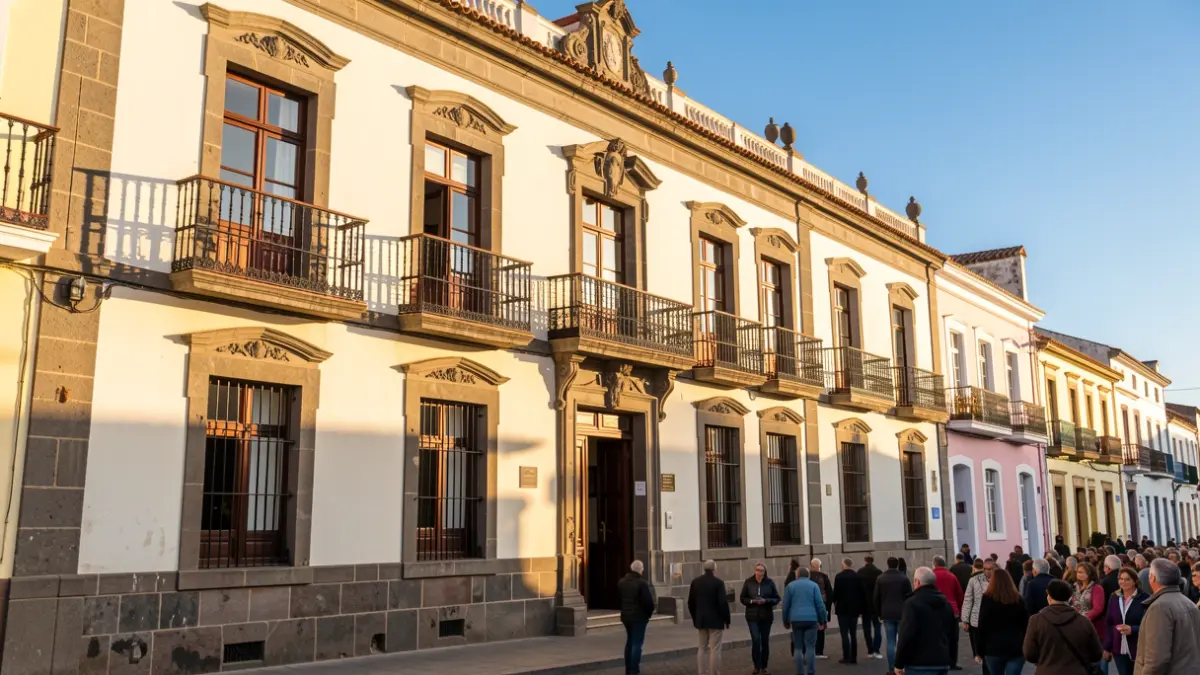
The meeting was attended by high-ranking officials from both institutions, including the Vice-Minister of Emergencies and Water, Marcos Lorenzo, and the territorial delegate of AEMET in the Canary Islands, David Suárez. The primary objective is to align AEMET's technical capabilities with the operational needs of Civil Protection, generating more precise and useful information for decision-making in the face of risks affecting the population, property, and infrastructure.
Both parties agreed on the need to evolve towards a more proactive and impact-oriented emergency management model. This involves moving from mere meteorological information to specialized advice and the design of specific tools that facilitate rapid, well-founded, and effective decisions by public officials.
The possibility of formalizing this cooperation through a protocol was explored, aiming to deepen information exchange, specialized training, and continuous improvement of operational procedures. Vice-Minister Marcos Lorenzo highlighted the "magnificent relationship" and "great closeness" between the Government of the Canary Islands and AEMET, emphasizing the usefulness of the generated information for emergency management.
For his part, David Suárez stressed the "very fruitful" meeting, presenting AEMET's new Civil Protection and Institutional Users Area, whose main function is to harmonize and reinforce the advice provided in this field to continuously improve public service and the protection of lives and property.
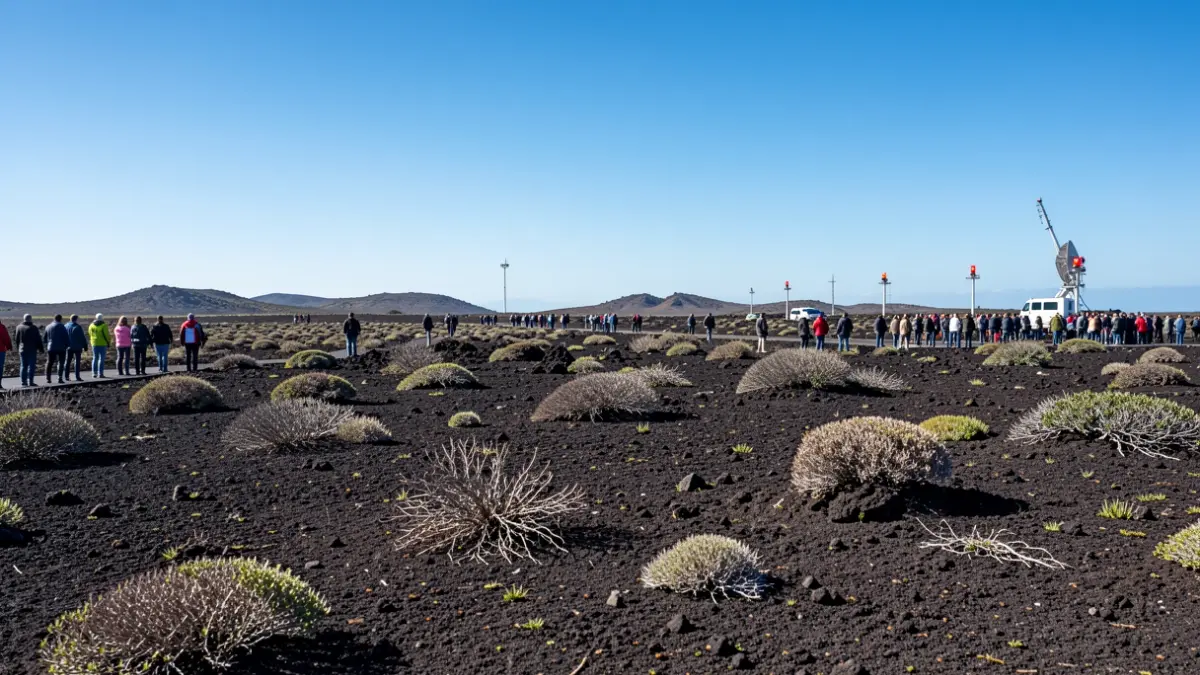
One of the key points of the meeting was the presentation of the new Wildfire Danger Index (IPIF), published by AEMET for the 2026 campaign. This tool replaces the previous system and incorporates traditional meteorological variables along with data on vegetation status (via satellite), soil moisture, and land characteristics.
Improvements to the IPIF include a significant increase in the spatial resolution of danger maps (from five kilometers to one kilometer), a more precise representation of the territory, and distinctions between urban, agricultural, forest, or snow-covered areas. Furthermore, it expands the danger categories from five to six levels, adding "very low" and maintaining "very high" and "extreme".
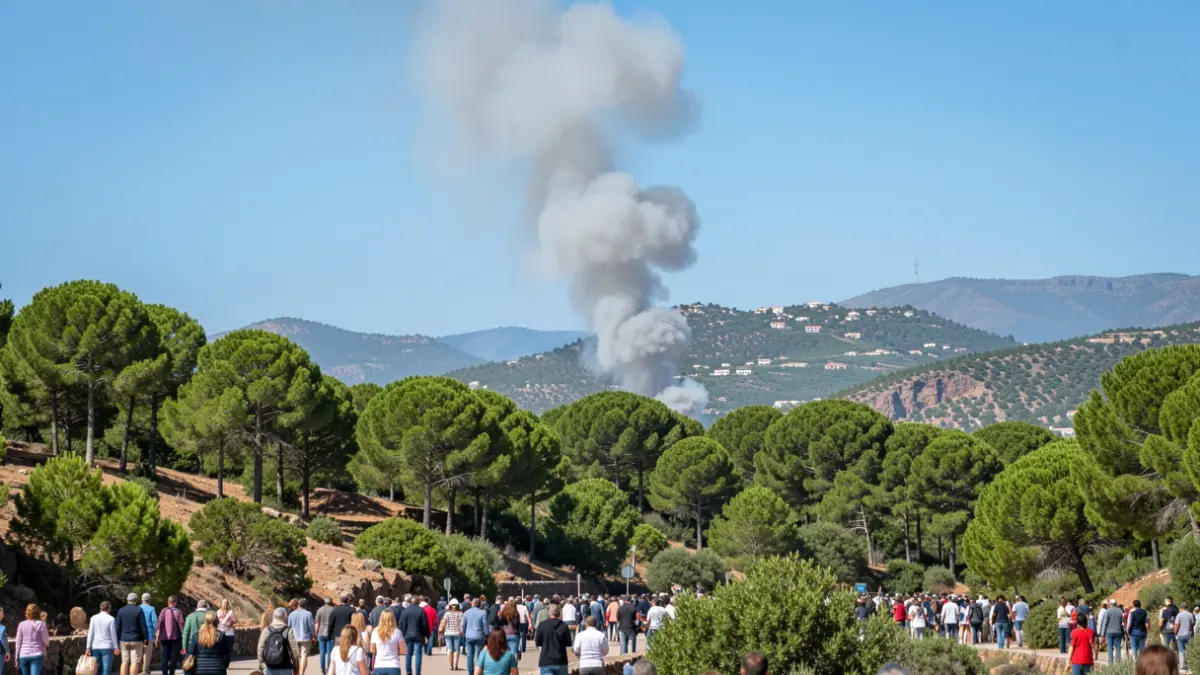
The Department positively assessed the IPIF's potential to strengthen anticipation and response to wildfires, a significant natural risk for the Canary Islands, especially during the summer months. Both institutions reaffirmed their commitment to consolidating AEMET's role within the emergency system.