This project, named 'Naturalization of Saladar de Jandía', is part of the 'Fuerte por naturaleza' Sustainable Tourism Plan, implemented by the Cabildo de Fuerteventura. The initiative is funded with 249,815 euros from the Ministry of Tourism and Employment of the Government of Canarias, sourced from Next Generation EU European funds.
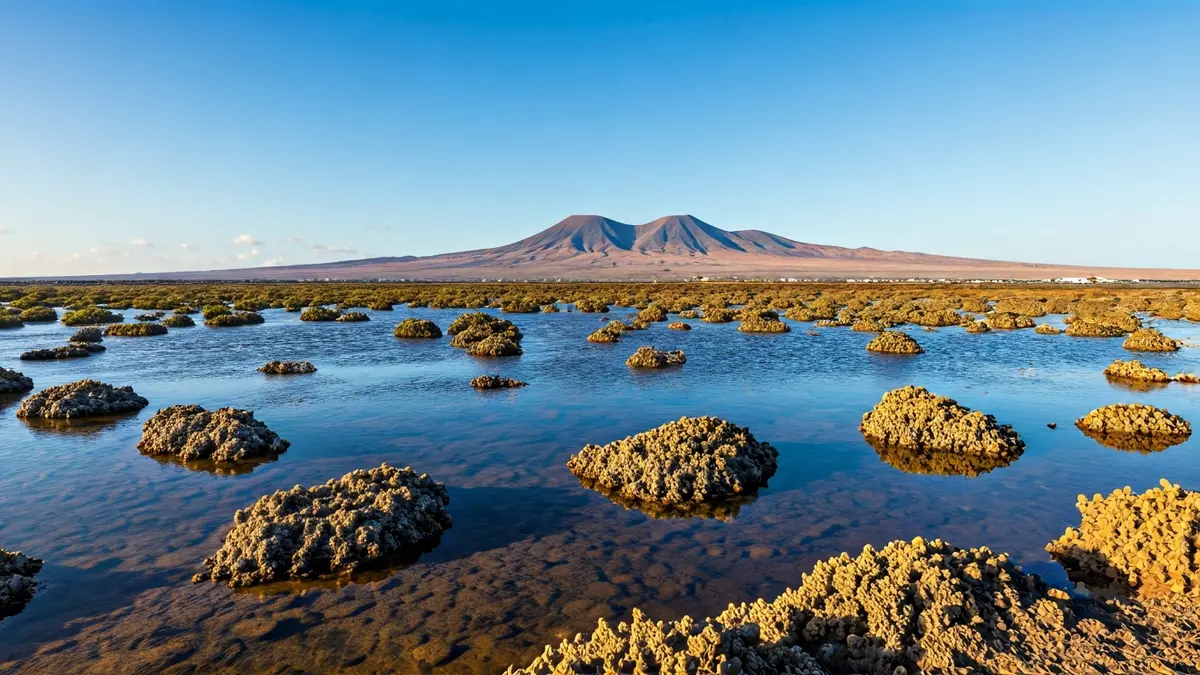
The primary goal is the ecological recovery of an area impacted by human activity, aiming to restore the environmental value of this space, which has been declared a site of scientific interest. The Minister of Tourism and Employment of the Government of Canarias, Jéssica de León, visited the area alongside the president of the Cabildo de Fuerteventura, Lola García, and the island's Minister of Tourism, Marlene Figueroa, to learn about the planned actions.
“"This project reflects the island model that the Cabildo advocates, combining tourism development with environmental protection."
During the visit, De León emphasized the commitment to a tourism model that prioritizes the conservation of the natural environment and territorial identity. For her part, Lola García highlighted that the project is a clear example of the island model promoted by the Cabildo, balancing tourism development with environmental protection. Marlene Figueroa added that such initiatives improve the destination's image and the quality of life for local residents.
The mayor of Pájara, Alejandro Jorge, underscored the importance of inter-administrative collaboration to carry out this long-demanded action, which will allow for the environmental recovery of the space and the improvement of the urban environment.
The actions will be carried out in four phases. The first phase involves the dismantling and removal of the old wastewater treatment plant, currently in a dilapidated state. Subsequently, existing infills will be removed to restore the natural elevation of the salt marsh. The third phase will focus on land rehabilitation and the creation of a protective slope, while the final stage will concentrate on landscape integration through the planting of 104 native plant species, thus promoting the natural regeneration of the ecosystem.