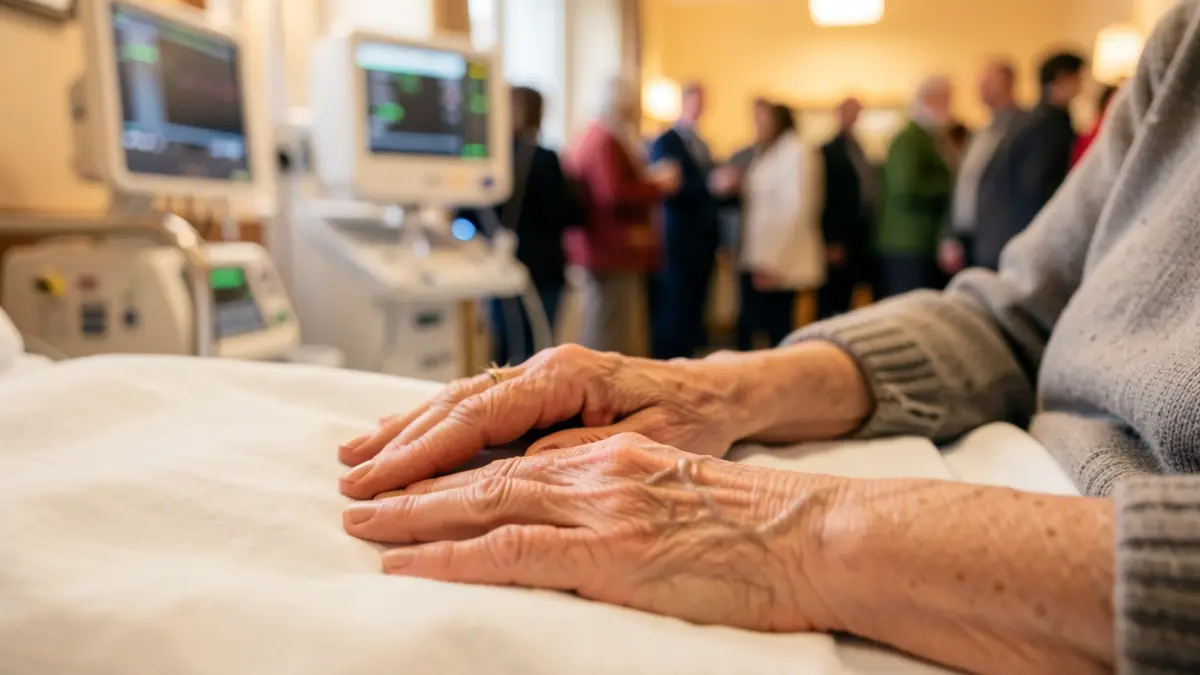
Delirium is a significant geriatric syndrome characterized by a sudden onset of mental confusion, frequently triggered by events such as surgery, heart attack, or infection. It affects one-third of hospitalized patients over 70 years old, a percentage that rises in surgical units.
Symptoms are diverse, ranging from extreme agitation, hallucinations, and hyperactivity to profound drowsiness or comatose states. The Spanish Society of Geriatrics and Gerontology (SEGG) notes that mortality is doubled in patients with delirium, alongside an increased risk of dementia and dependency.
Unlike dementia, which is gradual and irreversible, delirium is acute, fluctuating, and reversible within days or weeks. Warning signs include sudden mental changes, temporal and spatial disorientation, incoherent speech, false perceptions, nighttime restlessness, and excessive sleepiness.
Specialists indicate that 30% to 40% of delirium cases are preventable. Simple measures such as accompanying the patient, encouraging mobility, ensuring the use of glasses or hearing aids, maintaining an activity-rest cycle, and reorienting the patient can be very helpful.
The COVID-19 pandemic complicated the situation, increasing the incidence of delirium in older hospitalized patients, particularly in intensive care units, and associating it with a poorer prognosis.
If a family member exhibits symptoms of delirium, it is recommended to report any changes to healthcare staff, remain calm, use clear and simple language, and be patient. Although visits may be limited, a family member's reassuring presence at night can be beneficial.