The popular science portal The Conversation has published an article that analyzes how personal feelings have been expressed in different historical periods and the challenges of reflecting past emotionality in contemporary fiction. The piece, titled "Have we felt the same emotions throughout history?", is authored by Roberto J. González Zalacain, from the Department of Geography and History at the University of La Laguna, and doctoral student Cira Morales del Río.
The text emphasizes that while psychology studies the biological and cognitive components of emotions, each society establishes norms and constraints that act as a framework. An example cited is the idea of marriage for love: "About 250 years ago, the idea of marrying for love was inconceivable, as unions were decided by family strategies. Today, what many find unthinkable is, conversely, a marriage without love," the authors point out.
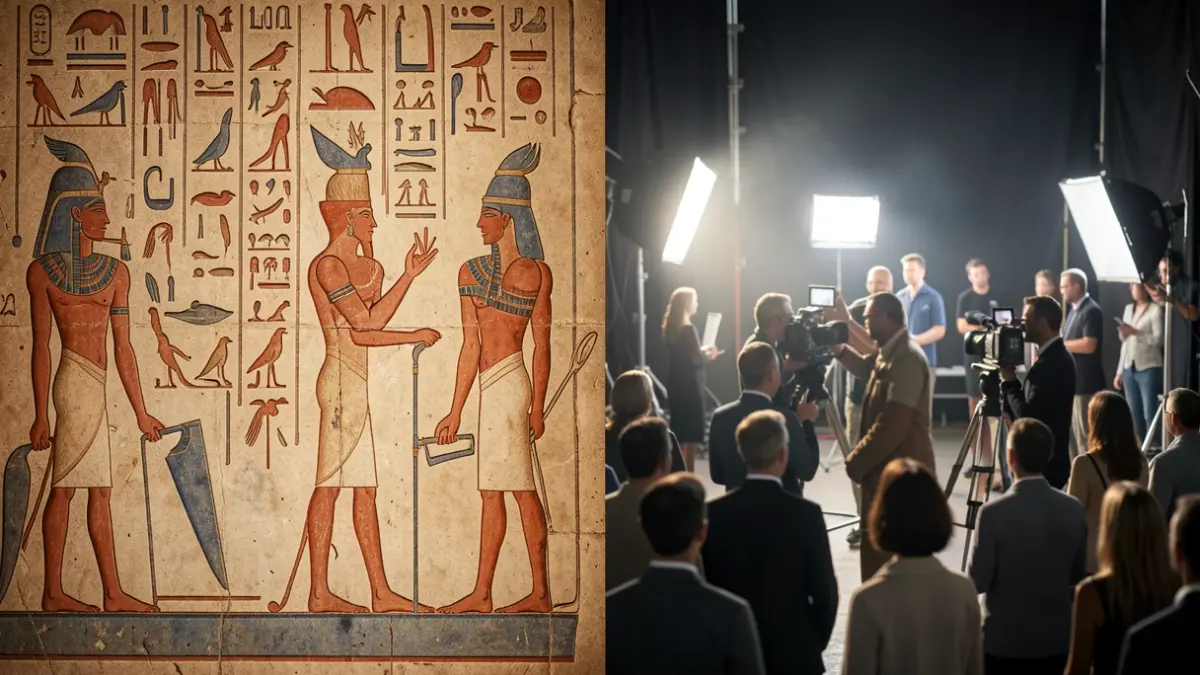
The work breaks down examples from different historical periods, such as the Egyptian royal couple Akhenaten and Nefertiti in the 14th century BCE, who are depicted playing with their daughters "with an unusual closeness for other stages of that empire among the upper classes." The concept of courtly love in medieval aristocratic literature is also mentioned, which "idealized service to a lady but did not necessarily describe daily relationships nor replace the family and patrimonial interests of many marriages."
During the Enlightenment in the 18th century, reason was exalted alongside a "culture of sensibility" that valued sympathy and compassion. A century later, Romanticism promoted an ideal of partnership more aligned with personal choice and love, though without entirely discarding economic, family, and class obligations.
These "emotional frameworks" are defined as "the vocabularies, expectations, and rules that teach what one should feel, how it can be expressed, and what reactions are considered appropriate at any given time." While they do not mechanically determine individual experience, they do influence it.
Reflecting these historical frameworks in films and series can be problematic. "Period" works often perform a "translation" of the past's sentimental language to current standards so that characters are comprehensible to contemporary audiences.
The authors analyze characters such as Maximus Decimus Meridius from "Gladiator", the sisters from "Little Women", Rose and Jack from "Titanic", and the families in "The Bridgerton", as examples of contemporary visions that have adapted historical characters to current sensibilities.
The article concludes that a historical work does not have to choose solely between rigor and anachronism. "It can preserve some emotional norms of the period and update others to produce closeness, humor, or entertainment." Emotions in cinema and television looking at the past "not only reconstruct how other people might have felt: they also show us how we feel."